YOU OWE IT TO YOU IN 2026: The Art of Diving In, Stopping Half-Assed Living, and Authoring Your Life
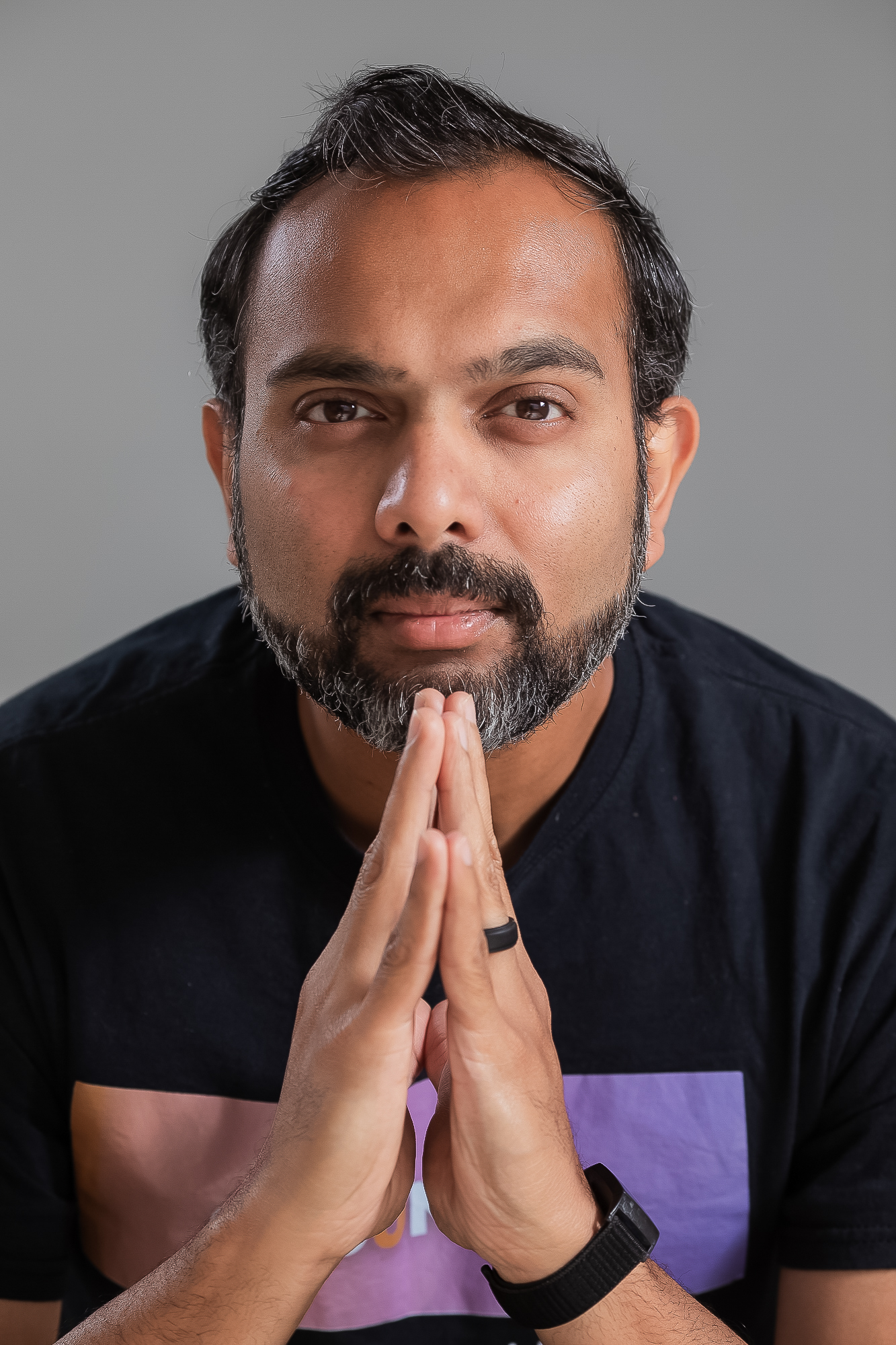
Photo by Daoud Abismail on Unsplash
You know that feeling when you do something halfway, just to see what happens?
Maybe you “try” instead of commit. Maybe you “dip your toe” instead of diving in. Maybe you keep your decision reversible because you secretly believe the scariest part is failing.
But here’s the catch. The real killer is the not-knowing. Half-ass something and you don’t get the clarity of success. You also don’t get the release of a clean failure. You just get a looping question in your head: Did I succeed or did I fall short?
And that question can keep you up at night. It can drain your energy for weeks, months, sometimes years. You start rewriting the story of yourself based on what you didn’t fully find out.
If you’re entering 2026 with any part of you still hesitating, this is your permission slip. Not to be careless. To be courageous. To do what you can do, and then do it fully.
The Rule: If You’re Going to Do It, Do It
There’s a simple discipline in how you decide and how you show up:
Don’t promise what you can’t deliver.
Don’t over-leverage yourself. Meaning do not stretch your capacity just to look impressive.
And when you decide to try something, don’t half-go at it. Prep first, then dive.
Preparation matters because it protects your integrity. If you’re not ready, you don’t “say you can.” You say, “I can, and I’m building the skills and conditions to do it.” That’s mature confidence, not empty hype.
But once the moment arrives, the move is different. You don’t stay perched. You finish the attempt. You learn the answer by doing the work, not by daydreaming about the outcome.
Stop Living in the “Half-Failed” Space
One of the most painful places to live is the in-between zone: where you half-commit, and then your brain invents a worst-case scenario.
When you fully engage, you get something priceless: closure.
That closure can look like:
You finally look in the mirror and say, “I found out I’m not built for this.”
Or you look in the mirror and say, “I found out I am built for this. And I proved it.”
Either way, you stop bleeding mental energy on uncertainty.
And let’s be real. A lot of people spend their lives half-trying. Half-of-self. Half-of-potential. Half-of-the-owning-it part.
Be Full of Yourself (In the Healthy Way)
I’ve heard a line that stuck with me: “You’re so full of yourself.” At first it sounds insulting.
But the better interpretation is this: being “full” is ownership. It’s responsibility. It’s self-respect. It’s refusing to outsource your identity to other people’s opinions.
Here’s what that looks like in your real life:
You don’t shrink when you accomplish something.
You don’t pretend you were lucky when you did the work.
You give yourself credit when you do what you said you’d do.
Now, I’m not asking you to become arrogant. I’m asking you to become accurate.
So when you succeed, you acknowledge it. And when you fail, you own it too.
The goal is not perfect self-esteem. The goal is clean self-accountability. No blame games. No vague self-disgust. Just truth, applied with courage.
You can be gentle with yourself and still hold yourself to task.
In the transcript that inspired this piece, the idea is clear: you’ll support someone else warmly, but when it’s you, you go harsh. The difference should not be personality. It should be consistency.
You tried. You learned. You adjust. You move on.
Guilt and Regret Aren’t Coaches. They’re Saboteurs.
Guilt and regret have a special talent. They make you feel productive. Like you’re still “doing something.”
But they don’t create progress. They kill time, energy, and sleep.
If life is going to “hurt” (because life does), it’s far better when that pain turns into direction, not self-punishment.
So here’s the healthier pattern:
Own your mistake. It happened because of something you did or didn’t do.
Make amends. Where appropriate, repair what you can repair.
Move on. Not in denial. In decision.
You’re the author of your life. That doesn’t mean everything is under your control. It means you get to choose what you do next.
The Science of Satisfaction: Less Pain, More Pleasure
Happiness can’t be guaranteed. But satisfaction can be engineered.
There’s a “science” to it, and it’s not about positive thinking. It’s about systems and habits that reduce needless suffering.
Because here’s a quiet truth: a lot of “pain” comes from habits you keep repeating.
The habit of procrastinating until you panic.
The habit of overcommitting because you fear saying no.
The habit of self-criticism that turns small setbacks into identity crises.
When you change habits, your life changes. Not overnight. But reliably.
And when your life has less pain, you create more space for pleasure, creativity, and real confidence.
Alchemize Bad Times Into Good Ones (Without Lying to Yourself)
Hard times feel awful in the moment. Let’s not romanticize that. No one’s excited while they’re drowning.
But you can transform how you relate to difficulty.
One of the themes here is alchemizing: turning “bad times” into “good outcomes.” Not by pretending things don’t hurt. By using a framework that keeps you from escalating the pain unnecessarily.
That might look like:
Start with intellectualizing what you already believe, even if your emotions aren’t convinced yet.
Repeat a grounding thought: “This will pass.”
Ask yourself: “If it’s not the end, then what is the lesson or direction?”
That’s not denial. It’s perspective management.
And if you tend to minimize drama compared to other people, you’re already halfway there. You don’t need false drama to get through the storm. You need steady direction.
When Things Go Well, Study Them
Most people only analyze when something breaks.
But the fastest way to stabilize your future is to understand what was working when you were winning.
In the mindset described here, there’s an intentional practice: when life is good, you don’t take it for granted. You notice patterns. You name consistencies.
What do you do more of when you’re thriving?
You appreciate more.
You stop living on autopilot.
You focus on what’s beautiful instead of only what’s missing.
You keep faith that the good season won’t stay forever, so you invest in it while it’s here.
Then when you get off track, you return to those notes like a pilot returning to instruments.
This is a career skill too, not just a life skill. When you study what made you effective, you stop relying on luck.
Your Work Is the Approach, Not Just the Finish Line
There’s a reason people choke at the moment they “arrive.” They’ve made the finish line into a mythical entity.
They’ve turned the goal into a scoreboard deity, and now their nervous system treats it like judgment day.
That’s when your mind goes third-person. You see yourself from outside, and suddenly you’re not just performing. You’re evaluating your worth while you perform.
The antidote is brutal and simple: stay in process.
In process, you’re present. You’re focused on the act in front of you, not the emotional consequence of the outcome.
So instead of thinking, “Do I deserve this?” you think, “I’m doing the work.”
Instead of asking, “Will I embarrass myself?” you ask, “What do I need to execute right now?”
Instead of watching yourself on the Jumbotron, you do the next rep.
Underdog Mentality: Take the Lid Off Your Own Limits
A lot of people think confidence means believing you’ll win.
But real confidence looks like this: you remove the artificial ceiling you built for yourself.
You stop restricting your imagination to what you think you “earned.” You remember you’re allowed to pursue what excites you because you’re still building yourself.
The text here pushes a specific identity: explorers and pioneers, not caretakers.
That means you:
Chase things that scare you.
Choose hard roles because they’re meaningful, not because they’re safe.
Break sweat to earn growth, not just comfort.
And you don’t fall into the entitlement trap. You don’t play victim. You don’t treat reality like an accusation.
You take responsibility because responsibility is actually what creates freedom.
Responsibility Creates Freedom (Not the Other Way Around)
Freedom without responsibility is just a sugar high. It feels good, but it doesn’t last. It can even shorten your runway.
Freedom with responsibility means you can keep going because you’re grounded in purpose and follow-through.
Responsibility can look like:
Appreciating what came before you and investing in what comes next.
Building a lineage, even if your lineage is “how you show up,” not genetics.
Continuing your investigation of your better self.
And perhaps most importantly: you never land.
There’s no final “ta-da” moment where life stops asking you to evolve.
There’s only continuous becoming. That is as good as it gets.
Make Choices. Commit. Dive In.
Here’s the pattern that leads to real momentum:
Decide what you actually want.
Figure out what you need to eliminate to get there.
Choose the next right action.
Commit to the dive.
Finish the attempt. Learn the result. Adjust and move.
Sometimes it’s not even about choosing the “perfect” option. It’s about choosing something you’ll go all the way with.
Because if you never dive, you keep living in the part of your mind where you’re always preparing but never proving.
And proof is where self-trust is born.
Why This Matters in Your Career (Not Just Your Personal Life)
Let me connect this to the places most people feel the pressure: work, money, leadership, and identity.
People get stuck because they:
Overpromise and underdeliver, then feel ashamed.
Stay in safe roles because they fear the cost of failure.
Have talent but don’t commit long enough to build compounding results.
Your career rewards the behavior that turns into skill, and skill that turns into leverage.
So “you owe it to you” means:
Stop half-committing to roles, projects, and relationships at work.
Don’t say you’re building a future if you’re secretly still negotiating your fear.
Give yourself credit when you execute with intention.
And when you stumble, don’t let guilt become your leadership style. Fix it. Repair. Move.
Keep Chasing (But Make Your Hero Someone You Can Become)
There’s a story-style lesson embedded in this message: your hero should not be a fantasy version of you that never arrives.
One person said their hero was themselves “in 10 years.” Then, when that time came, it was still not “hero-time.” The conclusion was simple and powerful: the hero is always a few years away, because becoming never stops.
That’s not failure. That’s the engine of growth.
Your hero should be the future you who is still chasing. Not the finished you who is done.
FAQ
How do I stop half-assing decisions without overcommitting?
Be honest about capacity up front. Don’t promise what you can’t do. Then, when you decide, prepare first and commit fully. Your confidence becomes real when your actions match your capacity.
What should I do when I fail at something I really cared about?
Own the mistake, make amends if needed, then move on. Guilt and regret feel busy, but they don’t coach you. Let the experience become direction.
How can I handle hard times without turning them into drama?
Use perspective management: remind yourself that “this will pass,” avoid escalating the pain with catastrophic stories, and look for the lesson or direction instead of only the suffering.
What does it mean to “stay in process” at the finish line?
It means you focus on the action in front of you, not the emotional scoreboard of what the outcome “means.” When you’re present in execution, you reduce choking and increase performance.
How do I build satisfaction if happiness can’t be guaranteed?
Engineer satisfaction through habits that reduce needless pain and increase stable pleasure. Study what works when life is good, and return to those consistencies when you get off track.
Your Next Move for 2026
If 2026 has to be different, let it start with this:
Choose the thing you’ve been avoiding because it scares you.
Decide what you can do truthfully, not what you can pretend.
Prepare. Then dive.
Finish the attempt so you can stop living in uncertainty.
You owe it to you.
Not because you’re entitled to perfect outcomes. But because you’re entitled to the truth of your effort, the dignity of your follow-through, and the power of becoming.
Keep living. And when the world expects you to shrink, remember you’re not caretaking your potential. You’re building it.